The people you briefare the people who build.
A collective of independent specialists — engineering, design, cloud and AI. One focused project or a company-wide programme, staffed with the people you actually meet and scaled to the work rather than to a sales target.
- 0
- Account managers between you and the build
- 100%
- Named specialists — you meet everyone
- 24h
- Reply to any message on a working day
- Right-sized
- Team built around the brief, not a fixed roster
Whatever the service, there is a specialist for it.
Ten disciplines under one roof. Take one on its own, combine several into a full product build, or hand over an entire programme — the collective covers all of it, so you are never managing three vendors who blame each other.
7 more, including cloud, AI, e-commerce and consulting.
A collective, run like a small, in-house team.
Kraftonist is a group of independent specialists who choose to work together, rather than a company that employs them. That changes the economics — and more importantly, it changes who you end up talking to.
You meet everyone who touches it
There is no pitch team and no delivery team. The specialists on the first call are the specialists writing the code, and every one of them is named on your project from the start.
The team is assembled around the brief
A payments integration gets someone who has shipped payments; a React Native app gets a mobile specialist, not a web developer learning on your budget. People are picked for the problem, not for who happens to be free.
One lead holds the whole picture
Whatever the engagement needs, one engineering lead stays accountable end to end and is your single point of contact. You never have to work out who to ask.
Something to click, every week
Each sprint ends on a real, deployed URL with a demo call and a changelog. Progress is something you look at, not something you are told about in a status report.
Everything lands in your name
Repositories, cloud accounts, domains and design files. You have full access while we build, and ownership transfers on delivery and final payment — with nothing to unwind if you leave.
Scoped to the budget you have
Tell us the number and we design the largest useful thing that fits inside it, instead of quoting high and negotiating down. There is no price list because the same brief costs wildly different amounts depending on your constraints.
From one project to a company-wide programme.
The same group scales up and down. A single focused build and a multi-squad modernisation run on the same standards and the same weekly rhythm — only the number of people changes.
Focused
2 – 8 weeks
Single project
One clearly bounded piece of work: a marketing site, a mobile app, an API, an integration, a design system. A tight group, a scope agreed up front, and a date.
Cross-discipline
2 – 6 months
Full product build
A cross-discipline squad — product design, frontend, backend, cloud and QA — running two-week sprints against one roadmap, with a lead coordinating and demoing to you every week.
Multi-squad
Ongoing
Company-wide programme
Several squads in parallel across multiple systems, on shared standards, one architecture and one point of accountability. For migrations, modernisations and multi-product roadmaps.
Embedded
Fixed term
Embedded specialists
People from the collective join your existing team — your standups, your repo, your tooling. You interview them first, and they leave documentation behind rather than a dependency.
Most engagements start smaller than people expect. A first milestone that proves the approach is usually a better opening move than a six-month commitment — and if the work turns out to need a bigger team, the collective already has one.
Agency capability, without the agency in between.
Most of what goes wrong on a software project is not technical. It is a requirement that reached the developer third-hand, or a decision nobody in the room was empowered to make. Taking out the layers takes out most of that — without giving up the ability to put six people on something.
Who actually writes your code?
Named specialists you met and approved.
Whoever is free that sprint — often not who pitched.
Who answers a technical question?
The engineer who built that part, usually the same day.
An account manager, after asking someone else.
What does your money buy?
Specialist time, and the tools it runs on.
The same time, plus sales, management and office.
What if the work needs more hands?
The group scales with it, inside a week.
A contract amendment, and a bench you help pay for.
What happens when scope changes?
A conversation, then a revised plan.
A change request, then a quote, then a delay.
Specialists are named to you, along with when they are actually free, before you commit to anything. If the right person for your problem is three weeks out, you hear that on the first call — not after the contract is signed.
Built, documented, and written up honestly.
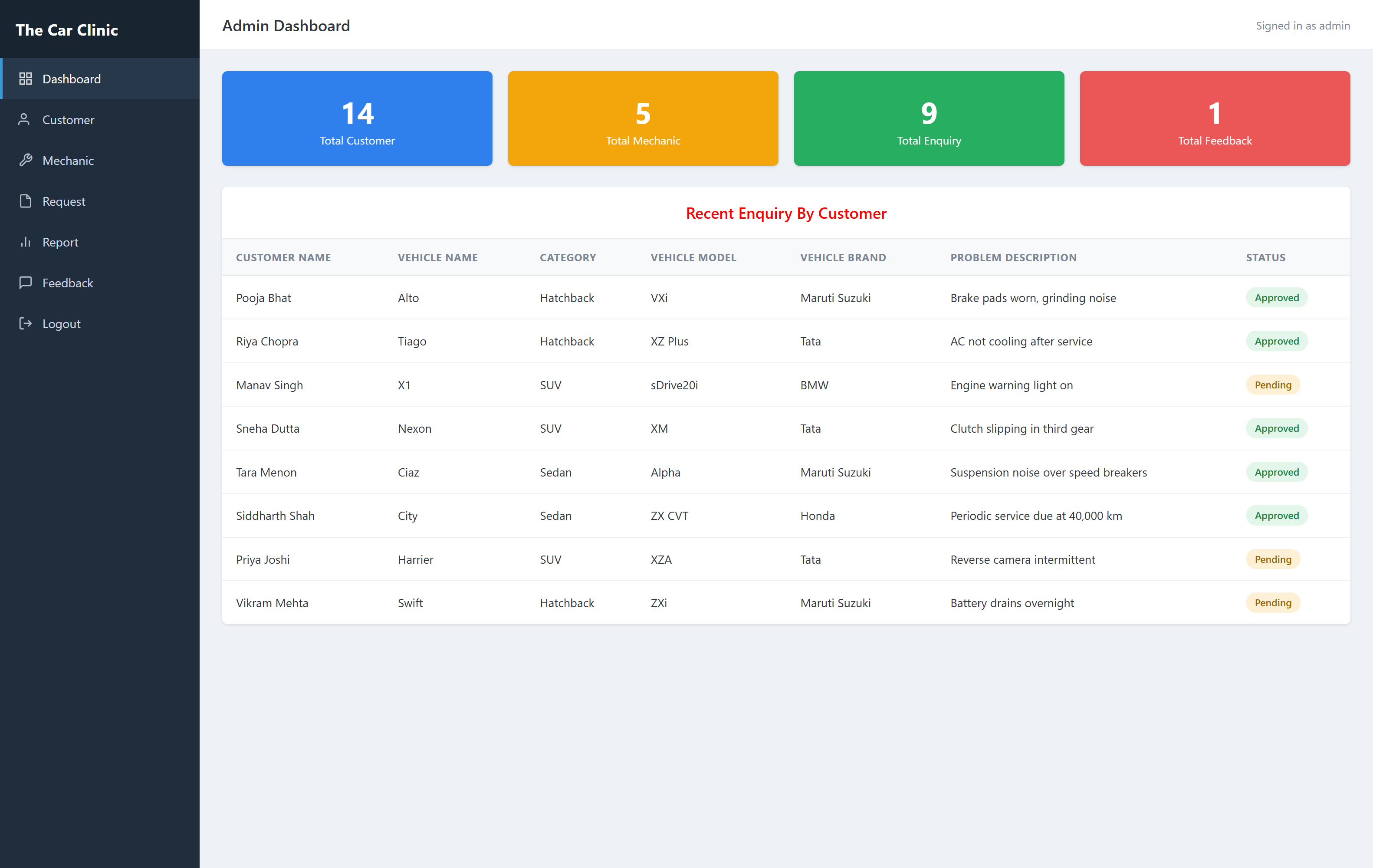
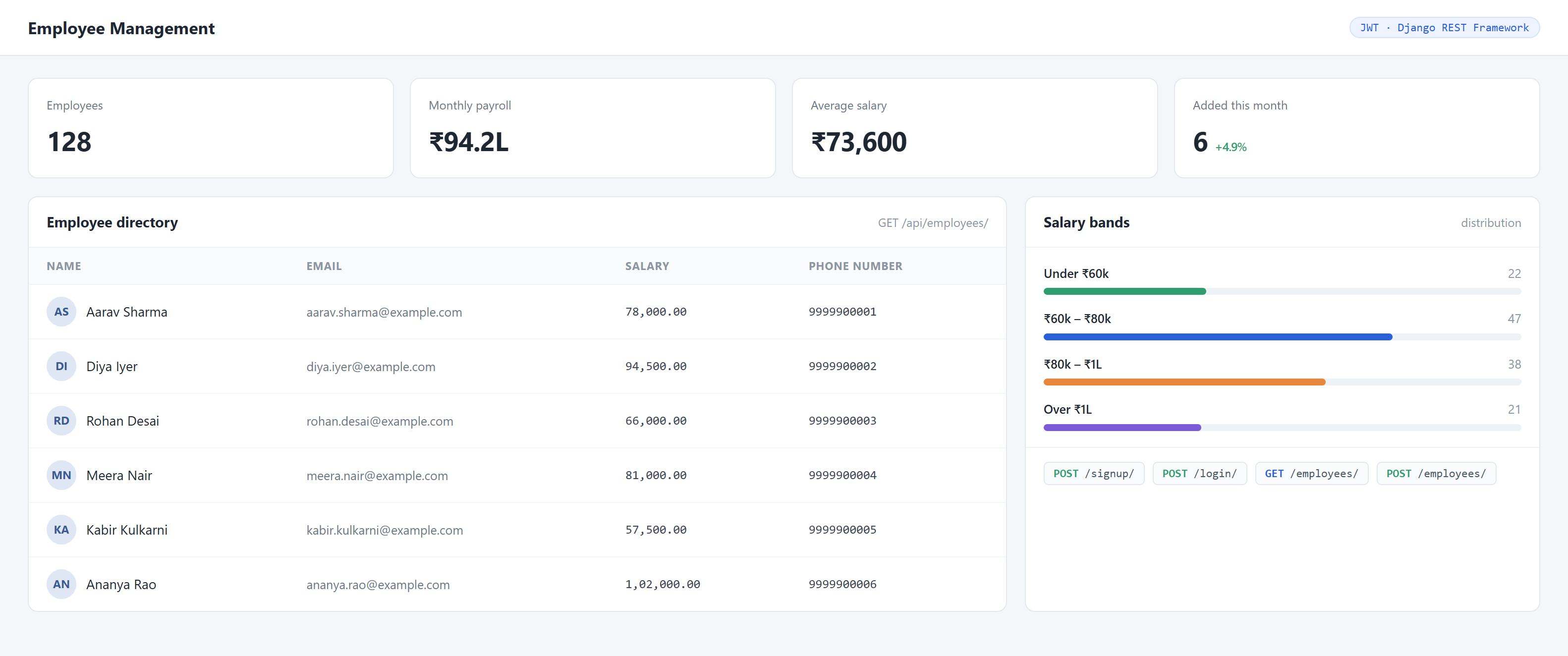
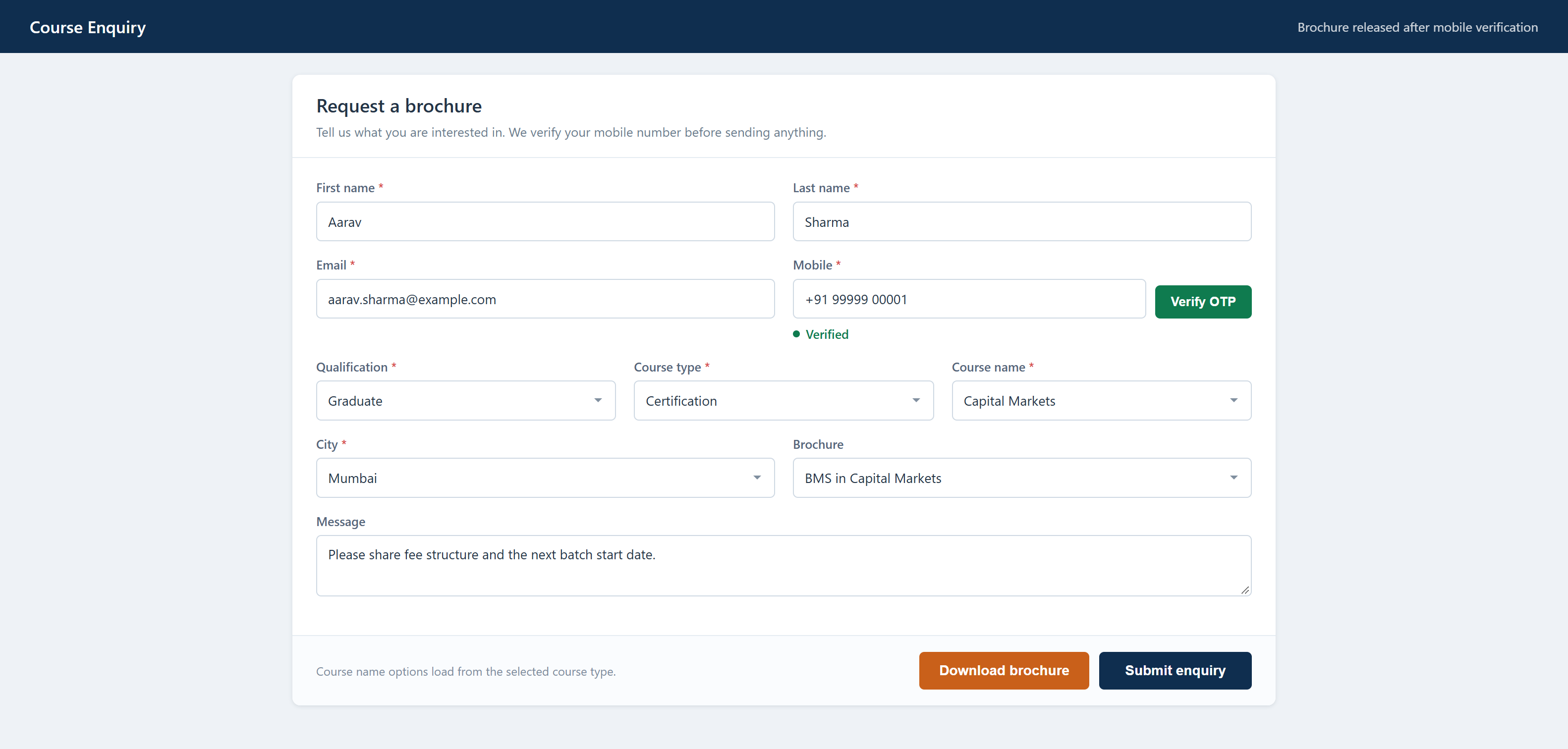
Dashboards, REST APIs, OTP-verified funnels, retrieval assistants, cloud classification pipelines and caching layers. Every write-up comes from the repository itself — the problem it solved, the decisions behind it, and the stack it runs on.
A short, visible loop from first call to handover.
Seven stages, each ending with something you can open, click or read. Nothing disappears into a black box for six weeks, whatever the size of the team.
Discovery call
We work out what you actually need, which is often less than you came in asking for.
Scope & proposal
A fixed-scope proposal with milestones, acceptance criteria and a real timeline.
Design & prototype
Wireframes, then high-fidelity screens, then a clickable prototype you can react to.
Build in sprints
Two-week sprints with a working, deployed preview at the end of each one.
The ones that come up first.
If something here is not covered, phone or email is usually faster than a form — both reach the engineering lead directly, not a sales desk.
Because any number we published would be wrong for almost everyone reading it. The same brief changes price enormously depending on integrations, data quality, compliance and how quickly decisions get made. We would rather ask your budget, design something that genuinely fits it.
Tell us what you are trying to build.
A first call is thirty minutes, costs nothing, and ends with a straight answer about whether we are the right group for it — plus the names of the specialists who would actually do the work.